
Key Takeaways
- Seal entry points to prevent pests from entering your home.
- Maintain cleanliness to eliminate food and water sources that attract pests.
- Regularly inspect and maintain your home’s exterior and interior to deter infestations.
Table of Contents
- Seal Entry Points
- Maintain Cleanliness
- Manage Moisture Levels
- Proper Food Storage
- Regular Home Inspections
- Landscape Maintenance
- Use Natural Repellents
- When to Call Professionals
Keeping your home free from pests is fundamental for a healthy and comfortable living environment. Unwanted critters ranging from ants and cockroaches to rodents can pose significant health risks and cause costly property damage. Implementing preventative measures not only helps to eliminate existing pest problems but also protects your home from future invasions. For even more insight on how to keep your space pest-free, learn more.
Pests are drawn to homes that provide them with easy access to food, water, and shelter. As a homeowner, a proactive approach is the surest way to reduce the likelihood of infestations. Practical actions like sealing cracks, managing household cleanliness, and inspecting your home can make a significant difference in pest control. With these strategies, you can create an indoor environment that is far less inviting to unwanted visitors.
Good pest management starts with understanding both the habits of common pests and the vulnerabilities within your home. Focus on areas such as kitchens, basements, and entryways where pests are most likely to appear. Small efforts in and around the house can save you time, money, and stress in the long run.
While some homeowners may try DIY methods, knowing when to call in professionals is also critical. In some cases, infestations require a trained expert to ensure the problem does not return, maintaining the safety of your home and family.
Seal Entry Points
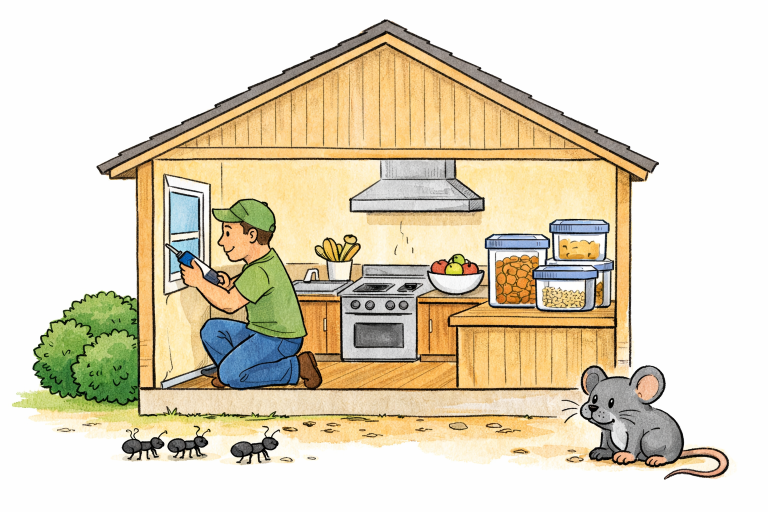
Pests often find their way indoors using tiny cracks and gaps in your home’s exterior. Carefully inspect around doors, windows, utility lines, and the foundation, searching for any spaces a small creature could squeeze through. Seal these openings with caulk or install weather stripping in appropriate areas. Pay particular attention to garage doors and basement windows, common problem spots in many properties. Effective sealing is a critical first step in making your home a fortress against pests. According to experts, if a pen fits into a gap, then a rat could likely get in too.
Maintain Cleanliness
One of the most effective deterrents for pests is a clean home. Sweep and vacuum regularly, wipe countertops after food preparation, and promptly address spills to limit food residues that attract bugs. Give extra attention to your kitchen and pantry, the most fertile grounds for invaders like ants and cockroaches. Reducing clutter in storage areas like basements and attics is also vital, as these can provide nesting sites for rodents and insects. For more cleaning tactics, visit AAA’s pest prevention guide.
Manage Moisture Levels
Moist, humid conditions are highly attractive to many pests, including silverfish and cockroaches. Leaky pipes, clogged gutters, and poorly ventilated basements can create perfect environments for these unwelcome guests. Address plumbing issues right away, run dehumidifiers if necessary, and direct water away from your foundation. Even simple actions like wiping up water around sinks and fixing bathroom leaks can significantly reduce your risk.
Proper Food Storage
Keep all food, including pet food, in sealed, airtight containers. Do not leave food out overnight, and regularly dispose of garbage in bins with tightly fitting lids. Pantry moths, mice, and even raccoons are adept at finding exposed or poorly stored food. Ensuring your food storage practices are strong is a fundamental, but often overlooked, defense against persistent infestations.
Regular Home Inspections
Inspect your home regularly for signs of an infestation. Look for clues like droppings, gnaw marks, or shredded nesting material. Early detection allows for quick intervention, sometimes making the difference between a minor inconvenience and a full-blown invasion. Bring a flashlight and check behind appliances, in storage spaces, and around exterior walls.
Landscape Maintenance
The area surrounding your home plays a big role in pest prevention. Overgrown shrubs, stacked firewood, and piles of leaves create harborage for insects and rodents, making it easier for them to bridge the gap to your house. Trim plants back from the foundation and clear debris routinely. Proper landscaping, including a clean perimeter, reduces pest pressure outside before it ever becomes a problem indoors.
Use Natural Repellents
Natural deterrents can be useful in the fight against pests, especially at entry points. Essential oils such as peppermint or sprays containing vinegar are easy to apply and safe for most homes. While natural repellents are not always foolproof, they are less invasive than chemical treatments and can be a valuable component in a comprehensive pest management strategy.
When to Call Professionals
Despite diligent preventive efforts, pest problems can sometimes escalate beyond what home remedies can handle. If you observe extensive damage, persistent sightings, or structural problems caused by pests, it’s time to contact a professional exterminator. Licensed pest control experts possess the training and resources to eliminate infestations safely and efficiently, ensuring they do not return and that your family’s health remains protected.
By integrating these practical steps into your routine home maintenance, you can dramatically reduce the likelihood of pest encounters. Consistency is key in pest prevention, and these practices will help ensure your home stays secure, clean, and comfortable year-round.